
Geospatial-AI
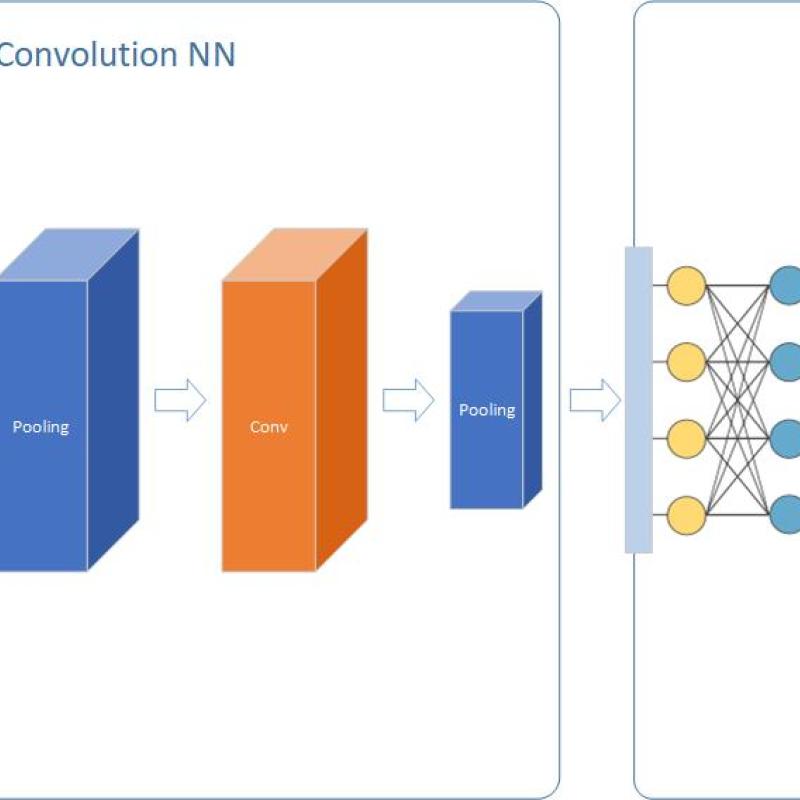
Deep Neural Networks (DNN) is considered as a panacea for different problems in several application areas. But what about spatial modeling?
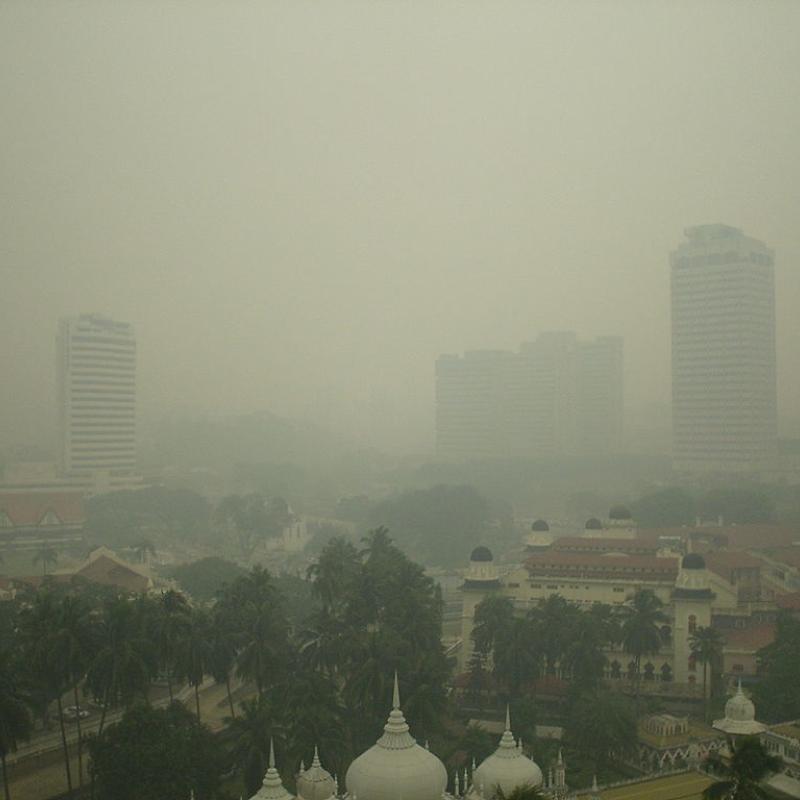
To model air pollution in urban environments while accounting for urban forms using convolutional neural networks (CNN) or Vision Transformers (ViT), open access earth observation

Digital Twins (DTs) are rapidly becoming one of the most exciting innovations in smart cities, bringing together 3D modelling, geospatial data, IoT sensors, and AI t

Generative AI and Digital Twins (DTs) are redefining how urban environments are conceptualized, designed, and managed.

Mapping slums in different urban environments across the Globe is extremely important for locating and prioritizing hotspots of urban poor for urgent climate action to combat the impact of cl
Deep learning algorithms have gained increasing popularity in remote sensing due to their accuracy.

UN-Habitat estimates that over one billion people around the world live in slums, which are often located in hazard-prone areas.

Deep learning algorithms can achieve great accuracies, but there are also concerns about biases and generalizability to unseen data.

Access to safe drinking water, sanitation and hygiene (WASH) services and associated health benefits are widely enjoyed in high-income countries , where centuries of investment in infrastruct
Being freely available, weather- and sunlight-independent, Copernicus Sentinel-1 data are increasingly being used for a variety of remote sensing applications.