
Disaster Resilience

This topic is suitable for those with an interest in Disaster Risk Management, human behavior, and decision-making.

Population growth around volcanoes exposes millions of people worldwide to the risks of volcanic activity.

Anticipatory actions (AA) are pre-emptive measures taken to reduce disaster impacts based on forecasted hazards.

Natural hazards increasingly occur not as isolated events but as multiple, interacting phenomena (e.g., earthquakes followed by landslides, or compound flooding driven by storm surge and extreme ra

Vietnam is one of the most disaster-prone countries in Southeast Asia, facing increasing pressure from natural hazards.

In order to be able to design appropriate risk reduction measures to reduce the increasing impact of multi-hazard events, it is important to have tools to estimate the losses of these compounding e

Natural hazards such as earthquakes, floods, and landslides pose a persistent threat to the built environment, causing large economic losses and loss of life worldwide.

Urban heat stress is one of the most pressing climate risks in the Netherlands, with strong impacts on public health, infrastructure, and energy demand.
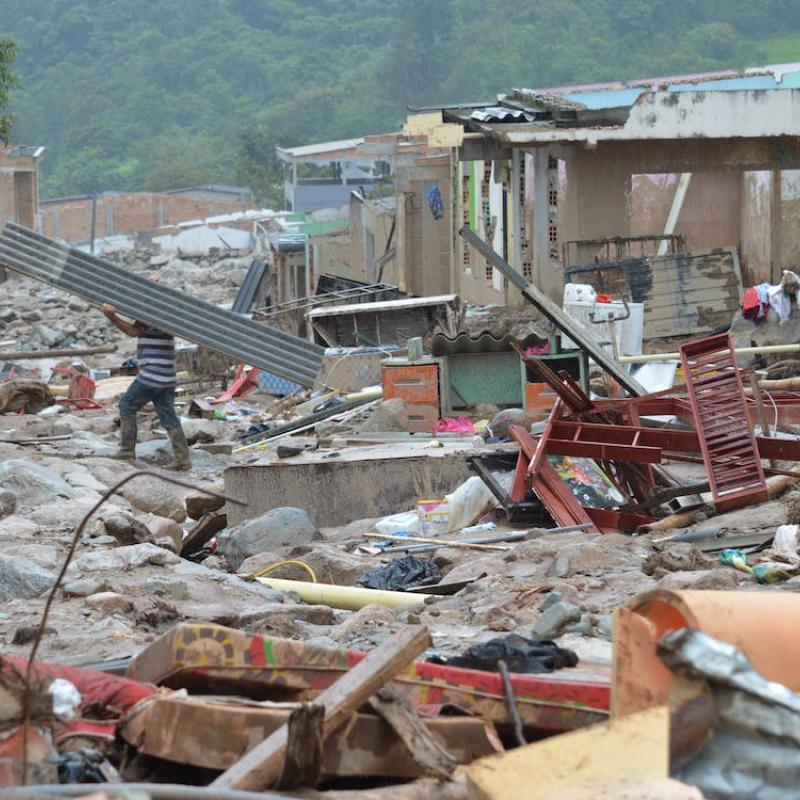
Nepal is highly vulnerable to natural hazards such as earthquakes, landslide and floods.
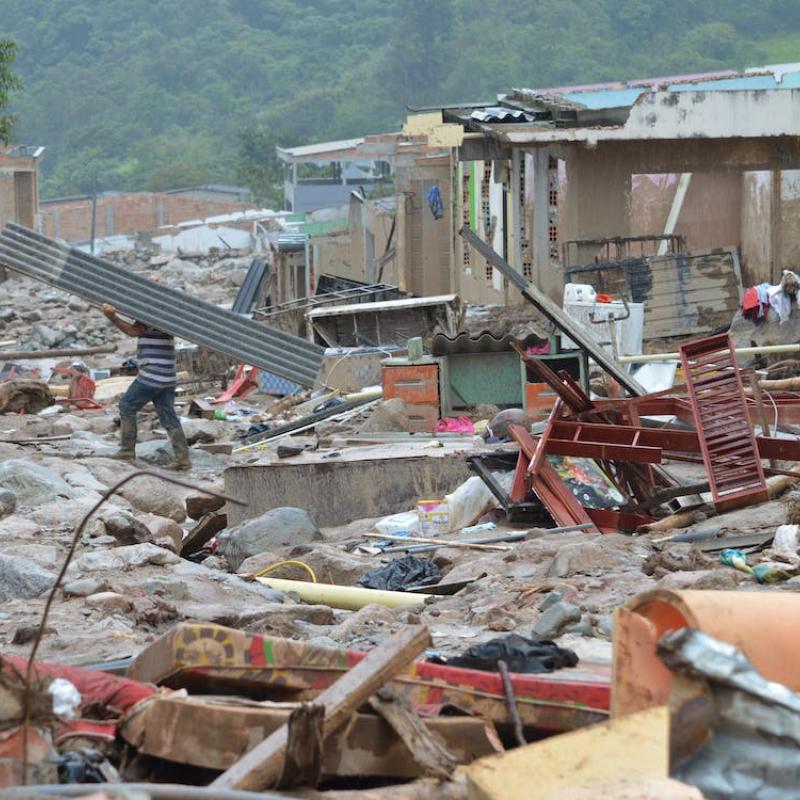
One of the greatest challenges in scientific research is bridging the gap of technical knowledge and practical solutions for communties.